New for coaches...Trauma-Informed Case Consultation; the BLOG is live! Two articles about C-PTSD and therapy speak.
MELISSA KNIGHT TAYLOR #2 | MARCH 2024
WELCOME TO MY NEWSLETTER
The closer we get to the heart of the matter with our clients, the more likely we are to stumble across the impacts of developmental or attachment trauma. When that happens, our own patterns can rise up to meet them. In the therapy world, they call this countertransference.
These professional consults offer concrete trauma-informed guidance specific to your clients AND the opportunity to work with your own attachment and survival patterns in action. Join me for this rich and fruitful inquiry
This 8-hour course will set you up with the basics of trauma-informed practice for helping professionals. We will cover the history of the trauma-informed movement, polyvagal and attachment theories, and current approaches. Each session will be both informational and experiential.
I often hear people say that they feel abandoned when someone…leaves in the middle of an argument, distances themselves when they are angry, doesn’t check in, etc...
Can’t you just feel it? All of the demands add up and the weight of the world is precariously balanced on your shoulders. In NARM we do something that can rub the wrong way at first...
We often think that resentment says a lot about the people or patterns we resent. It turns out, our resentment has almost nothing to do with the other person.
Anger gets a bad rap and it’s one of my favorite topics. When I ask, “What is your relationship to anger?” what comes up for you? If you have difficulty acknowledging and advocating....
This article from the LA Times offers an excellent description of the experience of C-PTSD and the possibilities for healing. Newberry emphasizes the relational nature of complex trauma and healing. What was harmed in relationship, is healed in relationship. As a relatively new therapy on the scene, NARM is not mentioned, but Internal Family Systems (IFS) and Somatic Experiencing (both of which have some alignment of underlying principles with NARM) are offered as approaches specific to C-PTSD.
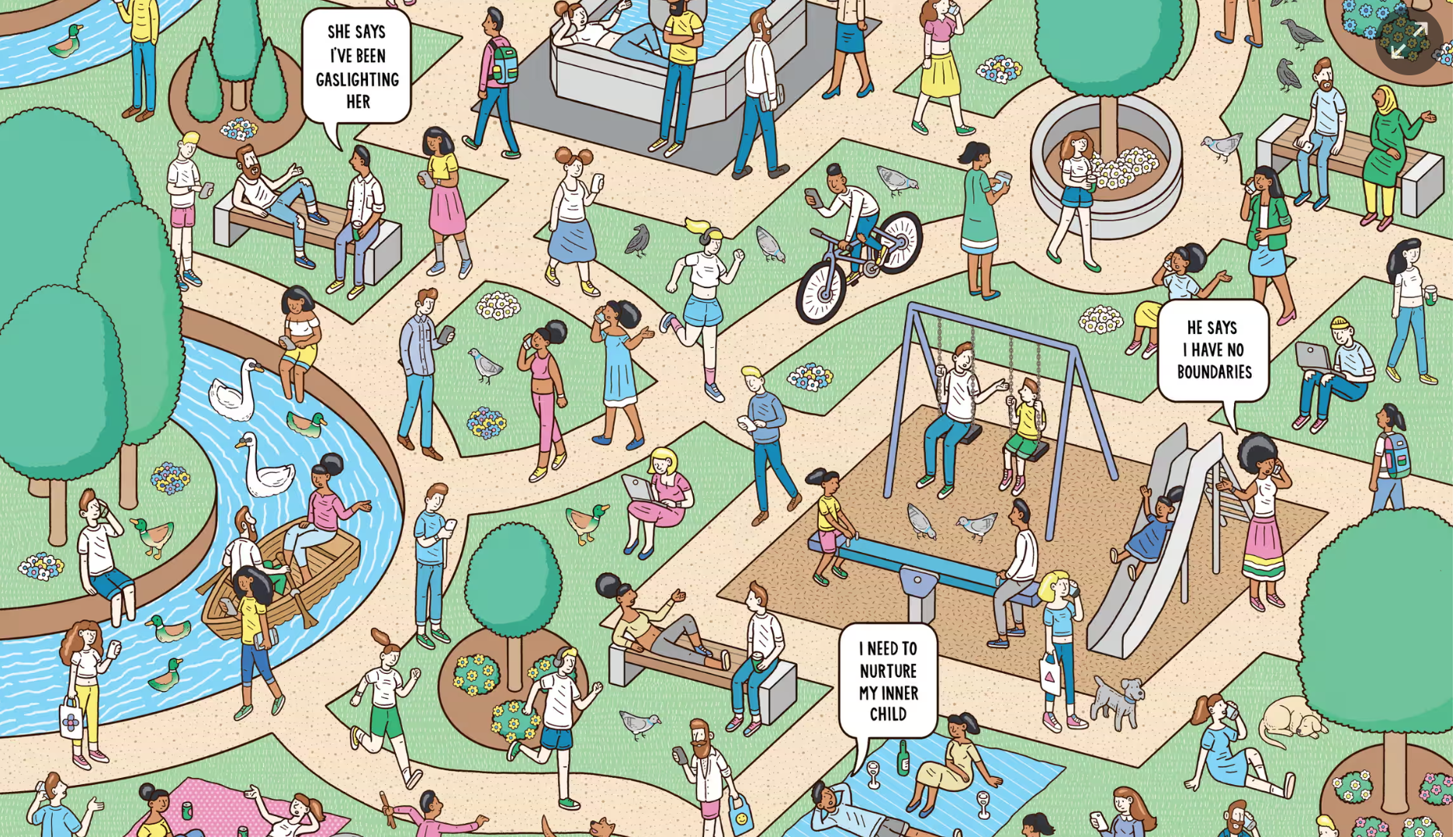
I feel conflicted about this phenomenon, as does the author. In NARM, we say that anything can be used for connection or disconnection. While the stigma around mental health care is mercifully lifting, these terms can be both misleading and weaponized. Are we using them to connect more deeply with ourselves and others? Or, are we using them to label, objectify, and blame?